Schipperke – Small Belgians with Big Character - Breed Portrait, Temperament, and Agility Experiences
A few years ago, two small Belgians moved in with me: Louis and Mats, two Schipperkes. Until then, I had little experience with this breed and would not have guessed how much they would captivate me. By now, I can hardly imagine life without these headstrong, clever, and lively dogs.
In this short post, I'd like to introduce the breed: its history, character, and suitability for dog sports, while sharing my own experiences with Louis and Mats.
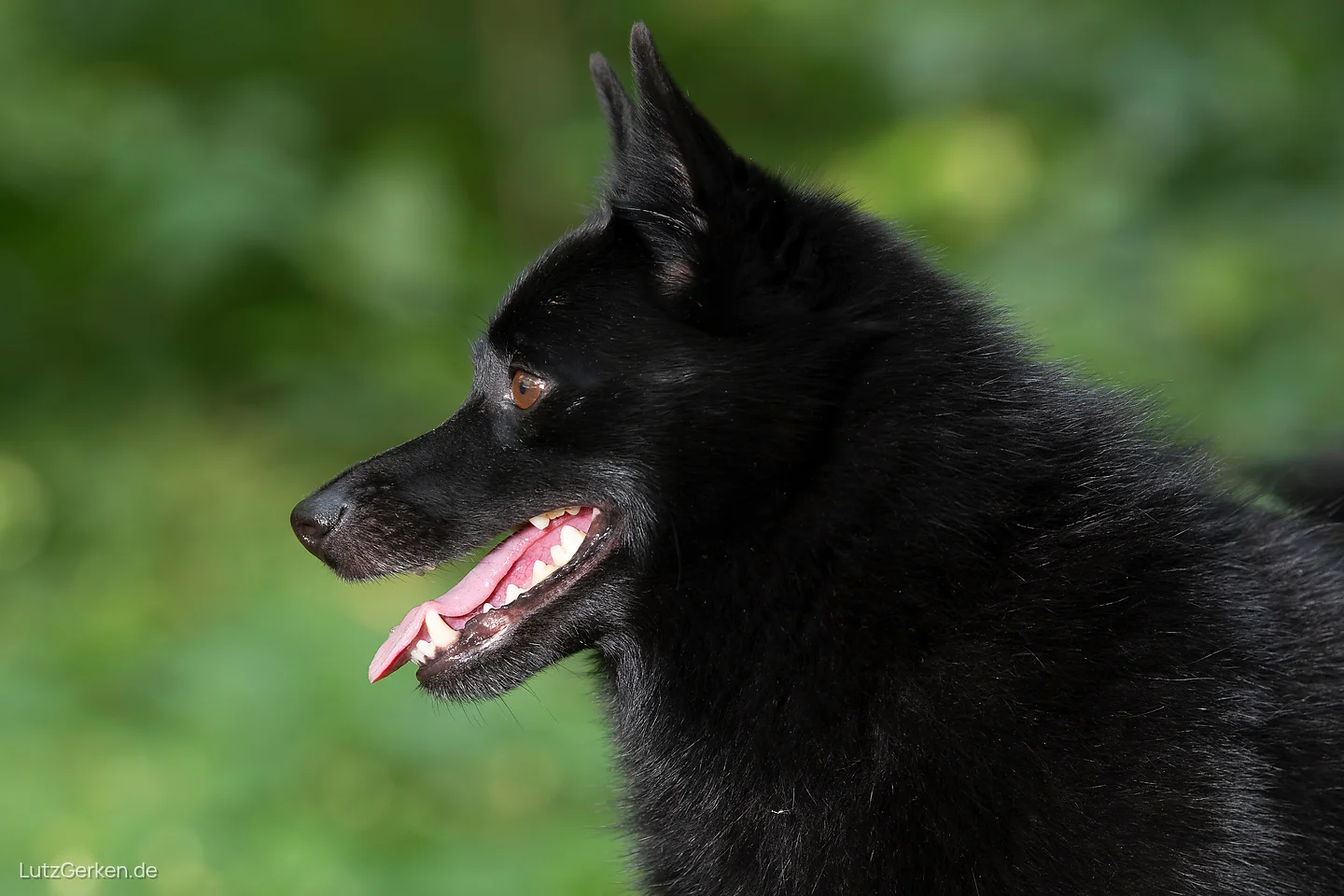
Of Canal Boats and Cobblers' Workshops
The history of the Schipperke reaches back to the 17th century. In the cities of Flanders, they worked as ratters and watchdogs, on canal boats as well as in workshops and warehouses. They kept supplies free of vermin and reliably announced every visitor.
Their name is often derived from the Flemish word for "little skipper". Another explanation traces it back to "little shepherd", a hint at their possible kinship with Belgian herding dogs.
In the working-class districts of Brussels, they were known as "Schoenlapperke", the cobbler's dog. Many craftsmen kept these watchful little dogs in their workshops.
This origin as a working dog of common people still shapes the breed today. Schipperkes are not lapdogs. They are small workers.
The Royal Breakthrough
In 1885, Queen Marie Henriette of Belgium discovered the breed at a dog show in Brussels and was enthralled. Her affection suddenly made the little black dogs socially acceptable. What had been the ratter of craftsmen and canal boatmen became a fashionable dog that quickly spread beyond Belgium.
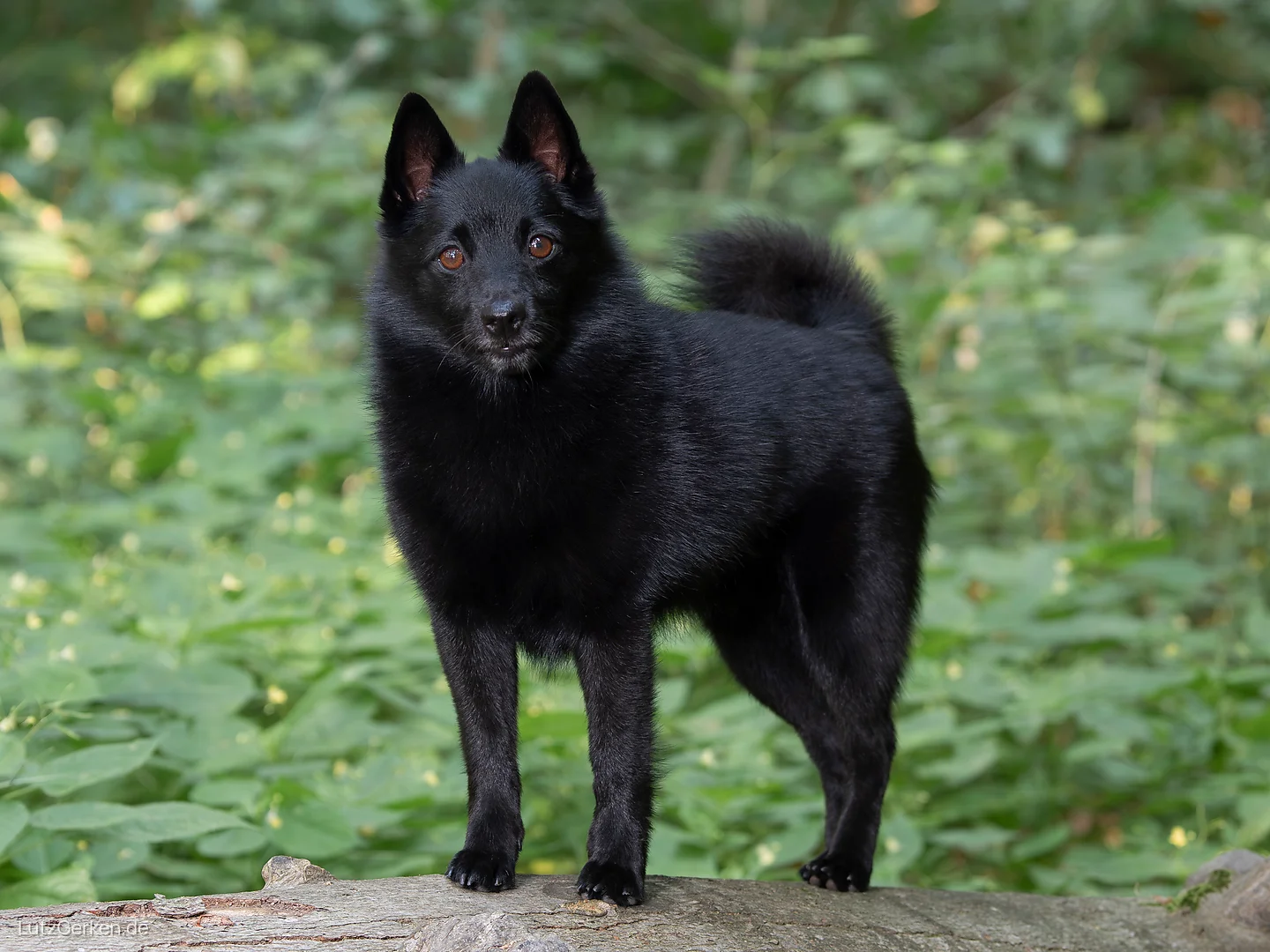
Three years later, in 1888, Belgian breeders founded the first Schipperke Club and established the first breed standard that same year. It was the oldest breed club in Belgium. The features described at the time – the pure black coat, the distinctive ruff, the upright triangular ears, and the compact build – still define the breed's appearance today.
Character: A Lot of Dog in a Small Package
Anyone who meets a Schipperke for the first time is often surprised by how much dog fits into such a small body. Centuries of history as a working and watchdog have shaped a character that should not be underestimated.
Alert and attentive. Louis notices every change in his surroundings instantly. Whether it's an unfamiliar sound in the garden or a new object in the hallway, nothing escapes him. This isn't nervousness – it's attentive observation.
Intelligent and headstrong. Schipperkes learn quickly, sometimes too quickly. Mats picks up new exercises in agility or heelwork after just a few repetitions and gets bored just as fast if things don't move along.
Loyal, but not submissive. The bond with their family is close. At the same time, Schipperkes bring a good measure of independence. They like to cooperate, but only when they see the point of it. Blind obedience goes against their nature.
Prey drive. This aspect is often underestimated. Louis and Mats have a pronounced hunting instinct, rooted in their past as ratters. No mouse in the garden is safe, and on walks you need to stay alert, especially in the early days.
Curious. Schipperkes want to explore everything. New sounds, smells, or objects immediately draw their attention. This curiosity makes them watchful companions, but it can also be challenging in unfamiliar situations.
Love of movement. Small bodies, big energy. Schipperkes love to be active, to run, to play, and to work on tasks. Give them something to do, and you get a cheerful, focused, and lively dog.
Schipperkes in Agility
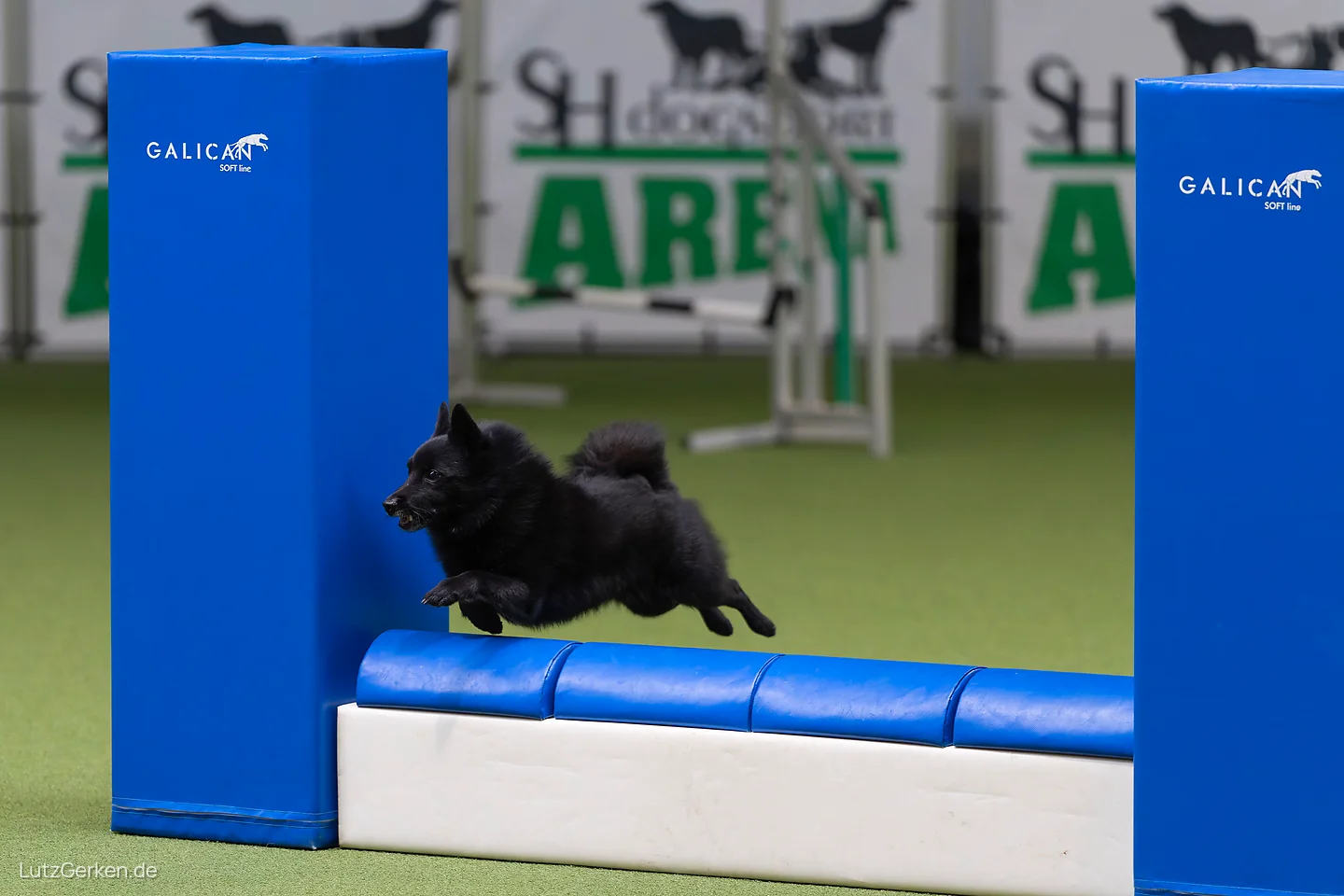
Schipperkes bring good qualities to agility. They are nimble, eager to learn, and have a natural drive to move that fits perfectly on the course.
Louis is now a senior and still runs the course with enthusiasm, adjusted of course to his condition. His joy in working together is undiminished. The considerably younger Mats, on the other hand, tackles every course with an energy that recalls his restless ancestors on the canal boats. He handles complex obstacle sequences confidently thanks to his quick grasp of what's being asked.
Training and competing together provide exactly the physical and mental workload Schipperkes need. An under-occupied Schipperke will find its own entertainment, and experience shows this is rarely in line with the owner's wishes.
Keeping and Training
Several years with Louis and Mats have taught me a few things about living with this breed. A few points I would pass on to anyone considering a Schipperke:
- Consistency with a light touch. Schipperkes respect clear rules, but drill doesn't work with them. They need leadership that respects their independence while still staying consistent. Patience and positive reinforcement get you much further than strictness.
- Keeping them busy is a must. Whether agility, obedience, or other dog sports – Schipperkes need a job. They were bred for an active life. A Schipperke that only gets walked briefly around the block three times a day will find its own occupation.
- Early socialisation. The breed's natural watchfulness can, without good socialisation, turn into excessive mistrust. Anyone who exposes their puppy early to different people, dogs, and situations lays the foundation for a confident adult dog.
- Coat and grooming. The dense black coat with its distinctive ruff is relatively easy to care for, but Schipperkes shed plenty. During the shedding season, keep the brush within reach.
Conclusion
The Schipperke is not a dog for everyone. They challenge their owners, surprise them, and test their patience. In Louis and Mats, the traits of their ancestors live on: the watchfulness of the ship's dog, the cleverness of the ratter, and the loyalty of the family dog.
Anyone interested in this breed should honestly ask themselves whether they have the time, the patience, and the willingness to do a Schipperke justice. These dogs need a meaningful job and people who understand their independence not as a problem, but as part of who they are.